Pressure Washing Safety: Protecting Yourself and Your Property in Brandon
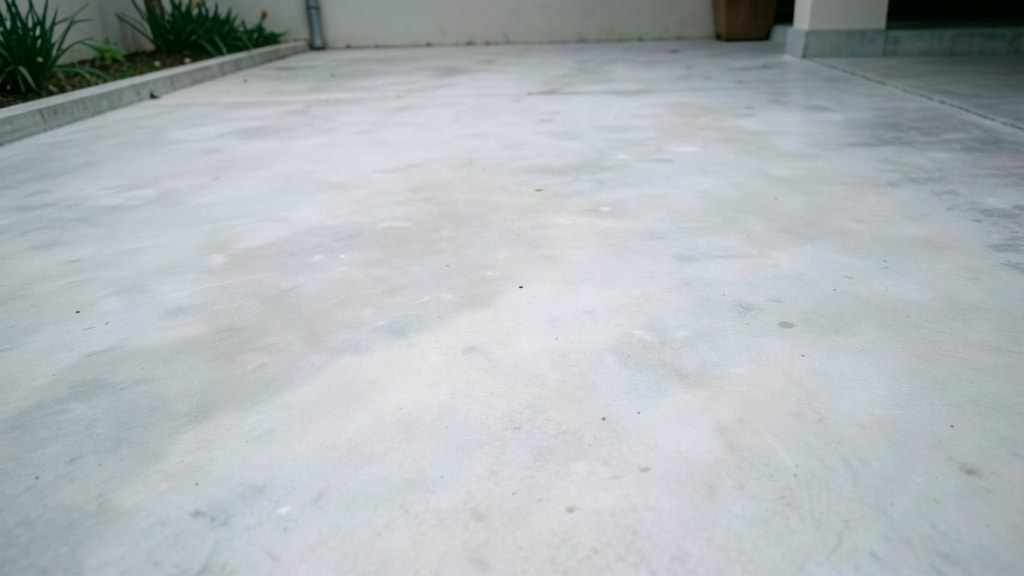
Pressure washing is powerful—capable of restoring driveways in Valrico or reviving a weathered fence in Bloomingdale. But without proper safety measures, it can damage surfaces, harm landscaping, or even injure operators. We’ll cover the critical steps to keep your property and yourself protected.
Why Safety Matters with Pressure Washing
A pressure washer’s stream can exceed 4,000 PSI—enough to strip paint, etch concrete, or lacerate skin. In Florida’s humid climate, improper cleaning can force water beneath siding, accelerating mold growth behind walls.
Safety isn’t just about injury prevention. Poor technique can void warranties on roof shingles, damage soft woods like cedar, or kill plants with runoff from harsh detergents.
Essential Personal Protective Equipment (PPE)
Always wear impact-resistant goggles. Debris or ricocheting water can cause serious eye injuries. Safety glasses aren’t enough—full-seal goggles are non-negotiable.
Use closed-toe shoes with slip-resistant soles. Wet surfaces, especially on driveways in Riverview or pool decks in Palm River-Clair Mel, become hazards quickly.
Gloves protect against chemicals and high-pressure water, while long sleeves and pants shield skin from cuts, burns, or UV exposure during long jobs.
Minimum PPE for Pressure Washing
- Impact-resistant goggles (ANSI Z87.1 rated)
- Closed-toe, slip-resistant shoes
- Heavy-duty work gloves
- Long sleeves and pants
- Ear protection (for gas-powered units)
Understanding Your Pressure Washer’s Power
PSI (pounds per square inch) and GPM (gallons per minute) determine cleaning power. Residential electric units (1,300–2,200 PSI) suit decks and siding. Gas models (2,800–4,000 PSI) handle driveways and heavy grime in Seffner’s older neighborhoods.
Nozzle color codes standardize spray angles. A 0° (red) nozzle is a cutting tool—never use it on surfaces. For most house washing, a 25° (green) or 40° (white) nozzle is safest.
| Nozzle Color | Spray Angle | Best For |
|---|---|---|
| Red | 0° | Concrete (experienced users only) |
| Yellow | 15° | Stripping paint, heavy grime |
| Green | 25° | Driveways, walkways |
| White | 40° | Siding, decks, cars |
| Black | 65° | Detergent application |
Surface-Specific Risks and Precautions
Wood decks and fences in Brandon can splinter or develop gouges if cleaned with too much pressure. Always pre-treat with a wood cleaner and use a wide-angle nozzle at a safe distance.
Concrete and pavers can be damaged by excessive PSI, leading to pitting or erosion. For stained or oil-soaked driveways, a surface cleaner attachment distributes pressure evenly.
Vinyl siding can warp or crack under direct pressure. Use a soft wash technique—low PSI with specialized detergents—to avoid damage while removing mildew common in Florida’s humidity.
Never use a 0° nozzle on any surface except in rare, controlled scenarios. The concentrated stream can cut through skin and destroy materials instantly.
Chemical Safety: Detergents and Cleaners
Not all stains require chemicals. For organic growth like algae or moss, a bleach-based solution (10-12% sodium hypochlorite) is effective but must be rinsed thoroughly to prevent plant damage.
Degreasers for oil stains on driveways often contain strong solvents. Always pre-wet plants and cover them with plastic sheeting to avoid chemical burn.
In Brandon’s warm climate, detergents can dry too quickly, leaving streaks. Work in sections and rinse immediately after application.
Electrical and Equipment Hazards
Electric pressure washers require GFCI protection. Always plug into a grounded outlet and avoid using extension cords longer than 50 feet to prevent voltage drops.
Gas-powered units emit carbon monoxide—never operate them in enclosed spaces like garages or under decks. Ensure proper ventilation during use.
Inspect hoses and connections before each use. A burst hose can whip violently, causing injury or property damage. Replace worn or cracked components immediately.
Test your pressure washer on a scrap piece of wood or an inconspicuous area first. This reveals potential issues with pressure, spray pattern, or chemical mix.
Protecting Your Landscaping and Surroundings
Water and chemicals can harm plants, grass, and soil. Pre-soak landscaping with water to dilute runoff. Use tarps or plastic sheeting to shield sensitive areas.
Avoid spraying directly at windows, doors, or electrical outlets. Water intrusion can damage interiors or create electrical hazards. For window cleaning, use a separate, lower-pressure method.
In neighborhoods like Bloomingdale, shared fences or mailboxes may be close to property lines. Communicate with neighbors to avoid accidental damage or disputes.
When to Call a Professional
Some jobs are better left to experts. Roof washing, for example, requires soft wash techniques to avoid damaging shingles or voiding warranties. Our team uses specialized equipment and detergents for safe, effective results.
Commercial properties or large-scale projects in areas like Valrico or Riverview often involve complex surfaces, high traffic, or strict regulations. Professionals ensure compliance and efficiency.
If you’re unsure about the right PSI, detergent, or technique for a surface, requesting a quote from a local expert can save time, money, and potential damage.
How to Pressure Wash Safely at Home
Follow these steps to minimize risks and maximize results for DIY projects.
- 1Inspect the Area
Remove obstacles, cover electrical outlets, and protect plants. Identify fragile surfaces like old wood or cracked concrete that may need special care.
- 2Choose the Right Nozzle and Pressure
Start with the widest spray angle (40°) and lowest PSI setting. Increase pressure gradually only if needed, testing on a small area first.
- 3Pre-Treat Stains
Apply detergent with a black nozzle or low-pressure setting. Allow it to dwell for 5–10 minutes, but don’t let it dry—this can cause streaking.
- 4Work in Sections
Clean from top to bottom (e.g., siding before driveways) to avoid re-soiling. Keep the nozzle moving to prevent etching or damage.
- 5Rinse Thoroughly
Use clean water to remove all detergent and debris. For vertical surfaces, rinse from the top down to ensure even cleaning.
- 6Post-Cleanup
Inspect the area for missed spots or damage. Allow surfaces to dry completely before walking or driving on them.
Frequently Asked Questions
Can I pressure wash my roof in Brandon?
Roofs require a soft wash approach to avoid damaging shingles or voiding warranties. High pressure can dislodge granules or force water under the roofing material. We recommend hiring a professional for roof washing to ensure safety and longevity.
What’s the best way to clean a wood deck without damaging it?
Use a wide-angle nozzle (25° or 40°) at a distance of 12–18 inches, and keep the wand moving. Pre-treat with a wood-specific cleaner, and avoid exceeding 1,500 PSI. Always test a small area first.
Is pressure washing safe for vinyl siding?
Yes, but it must be done carefully. Use a 40° nozzle, low pressure (under 1,500 PSI), and a detergent designed for vinyl. Point the spray downward to avoid forcing water behind the siding.
How do I prevent streaks when washing my house?
Work in small sections, applying detergent evenly and rinsing before it dries. In Florida’s heat, work early in the morning or late afternoon to slow evaporation. Use consistent nozzle distance and overlap passes slightly.
Can pressure washing remove oil stains from my driveway?
Yes, but it often requires a degreaser and a surface cleaner attachment for even pressure distribution. For stubborn stains, pre-treat with a specialized concrete cleaner and let it dwell before pressure washing.
What should I do if I accidentally damage a surface while pressure washing?
Stop immediately to prevent further damage. For wood, sanding and re-sealing may be necessary. For concrete, a patching compound can fill small pits. If unsure, consult a professional for repairs.