The Hidden Dangers of Mold Growth on Your Property in Brandon
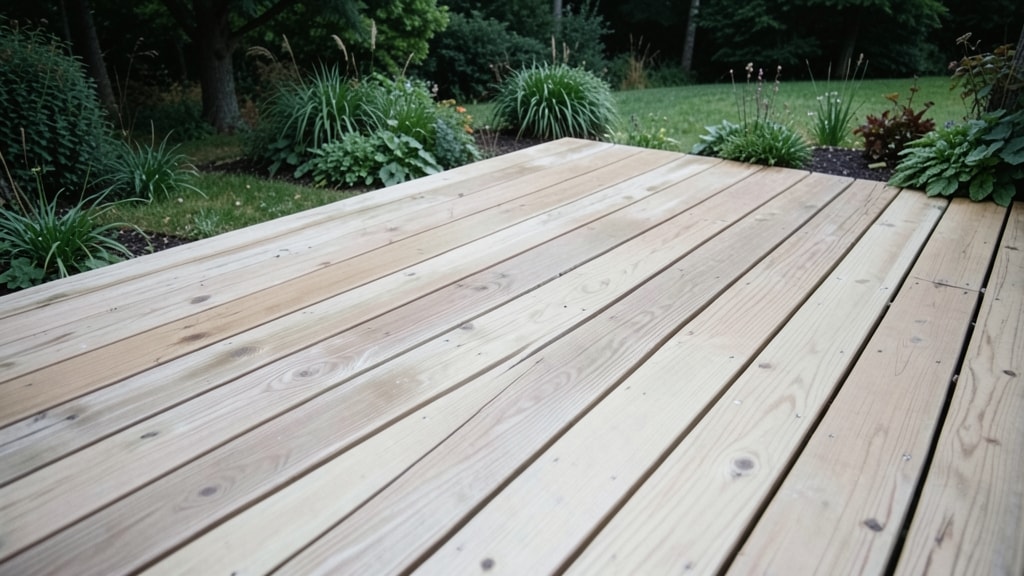
Mold isn’t just an eyesore—it’s a silent threat to your property and health. In our humid Florida climate, it spreads fast on siding, roofs, and driveways, eating away at surfaces and triggering allergies. We’ve seen firsthand how quick action and the right cleaning methods can stop it in its tracks.
Why Mold Thrives in Florida’s Humidity
Our area’s warm, moist air is a breeding ground for mold, mildew, and algae. These organisms cling to porous surfaces like stucco, wood, and even concrete, feeding on organic matter and moisture.
Without regular cleaning, they embed deep, causing stains that standard hosing can’t touch. Left unchecked, they accelerate decay and can even compromise structural integrity over time.
Mold growth surges after rainy seasons and in shaded areas of Valrico and Riverview, where moisture lingers longest.
The Damage Mold Does to Your Home’s Exterior
On vinyl siding, mold creates dark streaks that make a home look neglected. But the real damage is beneath the surface—it degrades the material, leading to cracks and reduced lifespan.
Wood decks and fences absorb moisture, making them especially vulnerable. Mold breaks down cellulose, causing rot and weakening the structure. In Bloomingdale and Palm River-Clair Mel, we see this often on older properties.
Roofs are another hotspot. Algae and mold retain moisture, which can lift shingles and cause damage. A soft wash is the only safe way to clean without harming granules or seals.
Health Risks You Can’t Ignore
Mold spores become airborne during cleaning or even just from wind. Inhaling them can trigger allergies, asthma attacks, and respiratory infections, especially in children and the elderly.
Black mold (Stachybotrys) is particularly concerning. It releases mycotoxins linked to chronic sinus issues and skin irritation. If you see dark, slimy patches, it’s time to act fast.
Pets aren’t immune either. They can ingest spores while outside, leading to digestive or skin problems. Regular exterior cleaning reduces these risks significantly.
Blasting mold with high PSI can aerosolize spores, spreading them further. Always use low-pressure or soft wash techniques for biological growth.
Pressure Washing vs. Soft Washing for Mold Removal
Not all cleaning methods are equal. Traditional pressure washing can damage delicate surfaces and fail to kill mold roots. Soft washing, however, uses low pressure and specialized detergents to penetrate and eliminate spores at the source.
For driveways and concrete in Seffner, pressure washing with a surface cleaner is effective. But for roofs, siding, or wood, soft washing is the only safe choice to avoid etching or warping.
| Surface | Recommended Method | Why It Works |
|---|---|---|
| Vinyl or Stucco Siding | Soft Wash | Low pressure prevents damage; detergents kill spores |
| Concrete Driveways | Pressure Wash (2500-3000 PSI) | High pressure lifts embedded mold and algae |
| Asphalt Shingle Roofs | Soft Wash | Preserves shingle granules; prevents water intrusion |
| Wood Decks/Fences | Soft Wash + Brightener | Gentle on wood fibers; restores natural color |
| Brick or Pavers | Pressure Wash (1500-2000 PSI) | Removes deep-seated mold without eroding mortar |
The Role of Detergents in Effective Mold Removal
Water alone won’t cut it. Professional-grade detergents contain sodium hypochlorite or quaternary ammonium compounds to break down mold’s cellular structure.
We use a downstream injector to apply detergents evenly, ensuring they dwell long enough to work. This step is critical—rinsing too soon leaves mold alive and ready to regrow.
For eco-conscious homeowners, oxygen bleach (sodium percarbonate) is a safer alternative for plants and pets, though it may require longer dwell times.
Preventing Mold Regrowth After Cleaning
Cleaning is just the first step. To keep mold from returning, address moisture sources. Trim back trees and shrubs to improve airflow and sunlight exposure.
Consider applying a mold-resistant sealant to wood or concrete surfaces. These products create a barrier that repels water and inhibits spore attachment.
Regular maintenance is key. We recommend scheduling exterior cleaning every 12-18 months, or more often for properties in heavily wooded or damp areas like Riverview.
Post-Cleaning Mold Prevention
- Inspect and repair leaky gutters or downspouts
- Ensure proper grading to direct water away from the foundation
- Use mold-inhibiting paint on vulnerable surfaces
- Clean and seal decks and fences annually
- Monitor shaded areas for early signs of regrowth
When to Call in the Professionals
Tackling mold yourself can be risky. Without the right equipment, you might spread spores or damage surfaces. Our team uses commercial-grade pressure washers, soft wash systems, and containment methods to ensure safe, thorough results.
We also handle hard-to-reach areas like second-story siding, roof peaks, and gutter systems. In commercial settings, like storefronts in Brandon, we use lift equipment to clean large facades efficiently.
If mold covers more than 10 square feet, or if it’s on your roof, consider hiring professionals. Request a quote to assess the scope and the right approach.
Peeling paint, musty odors, or dark streaks on exterior walls are signs of advanced mold. Don’t wait—early intervention saves money and headaches.
How to Safely Inspect Your Property for Mold
A thorough inspection helps you catch mold before it spreads.
- 1Gather Supplies
Use a flashlight, gloves, and a moisture meter (optional) to check hidden spots. Avoid touching mold directly.
- 2Start at the Roof
From the ground, scan for dark streaks or greenish patches on shingles. Binoculars help spot issues without climbing.
- 3Check Siding and Walls
Look for discoloration, especially on north-facing walls or shaded areas. Press a white cloth against suspect spots—mold may transfer.
- 4Inspect Decks and Fences
Run your hand along railings and boards. Mold often feels slimy or rough. Pay attention to areas near soil or mulch.
- 5Examine Driveways and Walkways
Mold on concrete appears as black or green stains. Use a hose to test—if water beads, it may be sealed; if it absorbs, mold could be present.
- 6Document Findings
Take photos and note locations. This helps professionals provide accurate quotes and target problem areas.
Frequently Asked Questions
Can pressure washing remove all types of mold?
Pressure washing removes surface mold but may not kill spores embedded in porous materials. Soft washing with detergents is more effective for long-term removal, especially on roofs and siding.
Is mold on my Brandon home covered by insurance?
Most standard policies don’t cover mold removal unless it’s a result of a covered peril, like a burst pipe. Damage caused by neglect or lack of maintenance is typically excluded. Always check your policy details.
How often should I clean my home’s exterior to prevent mold?
In our climate, we recommend cleaning every 12-18 months. Homes in damp areas like Valrico or near wooded lots may need it annually. Regular gutter cleaning and maintenance also help.
Can I use bleach to clean mold off my driveway?
Bleach can kill surface mold but may not penetrate concrete pores. It also harms plants and can discolor surfaces. Professional detergents are safer and more effective for driveways and large areas.
What’s the difference between mold and mildew?
Mildew is a surface fungus that appears as gray or white patches and is easier to remove. Mold penetrates deeper, appears in darker colors, and can cause structural damage. Both thrive in moisture but require different treatment approaches.
Will mold come back after pressure washing?
Without addressing moisture sources, mold can return within months. Using mold-inhibiting products and improving airflow reduces the risk. Our team can recommend preventive measures tailored to your property.