Concrete Sealing Prep in Brandon – Why Professional Cleaning Comes First
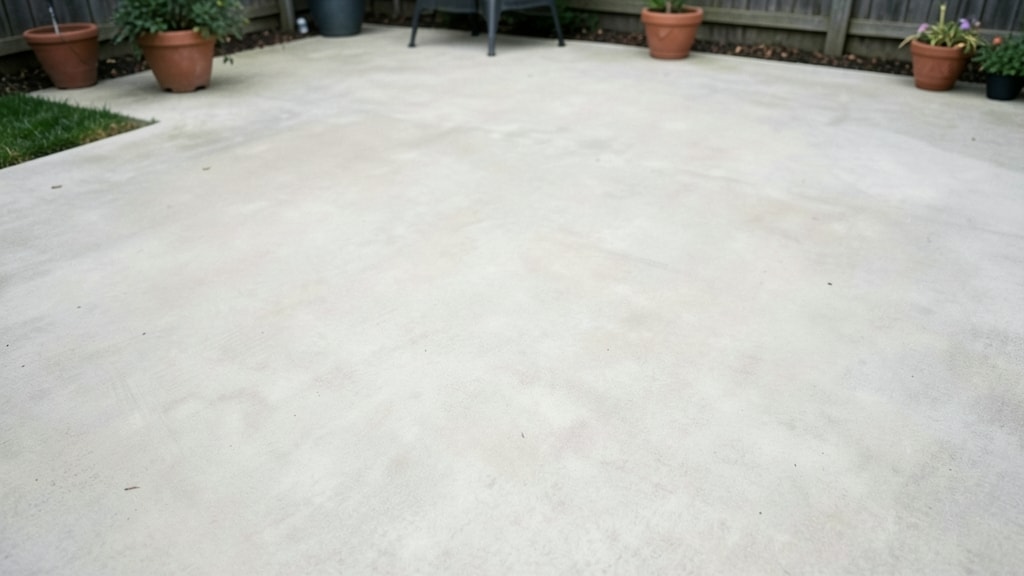
Sealing concrete without proper prep is like painting over dirt—it won’t last. In our humid Florida climate, contaminants and moisture trapped beneath sealant lead to peeling, bubbles, and costly rework. We’ve seen it firsthand in Brandon, Valrico, and Riverview: clean first, seal second, or don’t bother at all.
Why Concrete Must Be Spotless Before Sealing
Sealants bond to the surface, not the grime. Oil, grease, or old sealant residue create a barrier that prevents adhesion, causing premature failure. Even invisible alkaline salts (efflorescence) can sabotage the finish.
In Brandon’s heat and humidity, organic growth like mold and mildew thrive on untreated concrete. These not only discolor the surface but also degrade sealants from underneath, shortening their lifespan significantly.
The Hidden Enemies: Efflorescence, Mold, and Oil
Efflorescence—those white, chalky deposits—is a sign of moisture moving through the slab. It’s not just ugly; it’s alkaline and can react with sealants, leading to poor bonding and flaking.
Oil stains from driveways in Bloomingdale or Palm River-Clair Mel aren’t just eyesores. They’re hydrophobic, repelling water-based sealants entirely. Without removal, the sealant will bead up and never cure properly.
Household cleaners won’t touch deep oil stains. We use industrial degreasers and hot water pressure washing to lift contaminants most DIY setups can’t reach.
Pressure Washing vs. Soft Washing for Concrete Prep
Not all concrete cleaning is equal. High-PSI pressure washing (3,000–4,000 PSI) is ideal for driveways and heavily soiled areas, blasting away embedded dirt and stains without damaging the surface.
For delicate or older concrete, soft washing with low-pressure and specialized detergents prevents etching while still eliminating mold, mildew, and algae. This method is often used for patios and walkways in Seffner.
| Method | Best For | PSI Range | Cleaning Agents |
|---|---|---|---|
| Pressure Washing | Driveways, heavy stains, oil | 3,000–4,000 PSI | Degreasers, concrete cleaners |
| Soft Washing | Patios, older concrete, delicate surfaces | 500–1,500 PSI | Algaecides, mild detergents, bleach solutions |
The Step Most Homeowners Miss: Neutralizing the Surface
After cleaning, concrete often retains alkaline residue. This raises the pH, which can interfere with sealant curing. A simple pH test strip can confirm whether neutralization is needed.
We apply a mild acidic rinse (like citric or muriatic acid, diluted) to restore a neutral pH. This step is critical for epoxy or urethane sealants, which are sensitive to surface chemistry.
Always perform a water droplet test: if water beads, residue remains. If it absorbs evenly, the surface is ready for sealant.
Drying Time Matters—Especially in Florida’s Humidity
Concrete must be bone-dry before sealing. In Brandon’s humid summers, this can take 24–48 hours after cleaning. Trapped moisture will cause sealant to cloud, bubble, or peel.
Use a moisture meter for accuracy. For large projects in Riverview or Valrico, we often schedule cleaning and sealing on separate days to ensure the slab is fully dry.
Surface Profiling: The Secret to Sealant Longevity
A smooth slab isn’t always ideal. Light etching or profiling creates micro-texture, giving sealants more surface area to grip. This is especially useful for high-traffic driveways in commercial areas.
We achieve this with a controlled pressure wash or light acid etch, but it’s a delicate balance—overdo it, and you risk weakening the concrete.
When to Call in the Pros for Concrete Prep
DIY pressure washers often lack the PSI or flow rate to deep-clean concrete. Rental units can also damage surfaces if misused, leading to costly repairs.
For large or stained driveways, or if you’re sealing a commercial property in Brandon or surrounding areas, professional prep ensures the sealant adheres and lasts. We’ve got the equipment, detergents, and experience to do it right.
Signs You Need Professional Concrete Prep
- Oil or grease stains that won’t lift with DIY methods
- Heavy efflorescence or mineral deposits
- Mold or mildew that returns quickly after cleaning
- Large or commercial-grade concrete surfaces
- Uneven or previously sealed concrete requiring stripping
How to Prep Concrete for Sealing Like a Pro
Follow these steps to ensure your sealant bonds properly and lasts for years.
- 1Clear the Area
Remove all furniture, vehicles, and debris. Cover nearby plants with plastic sheeting to protect them from cleaners.
- 2Pre-Treat Stains
Apply a degreaser to oil stains and a mold/mildew remover to organic growth. Let it dwell for 10–15 minutes before rinsing.
- 3Pressure Wash the Surface
Use a pressure washer with a 25–40 degree nozzle. Work in sections, keeping the wand 12–18 inches from the surface to avoid etching.
- 4Neutralize and Test
Rinse with an acidic solution if needed to neutralize alkalinity. Test pH and moisture levels before proceeding.
- 5Allow Full Drying Time
Wait 24–48 hours in humid conditions. Verify dryness with a moisture meter or plastic sheet test (tape a sheet to the slab; if condensation forms underneath, it’s not dry).
Frequently Asked Questions
Can I seal concrete right after pressure washing?
No. Concrete must be completely dry, which can take 24–48 hours in Brandon’s humid climate. Sealing wet concrete traps moisture, leading to peeling or bubbling.
What’s a good cleaner for oil stains on my driveway?
Industrial-grade degreasers or alkaline cleaners work best. For tough stains in areas like Valrico or Riverview, we often use a hot water pressure washer with a specialized detergent to lift the oil entirely.
How do I know if my concrete needs etching before sealing?
If the surface is too smooth or has a glossy finish from previous sealants, light etching can improve adhesion. A simple water test can help: if water beads, the surface may need profiling.
Is soft washing safe for all concrete surfaces?
Soft washing is ideal for older or delicate concrete, but it may not remove deep stains or heavy buildup. For driveways with oil or tire marks, high-pressure washing is often necessary.
Does concrete sealing prevent all stains?
Sealants provide a protective barrier, but they’re not invincible. They’ll buy you time to clean spills before they penetrate. Regular maintenance, including re-sealing every 2–3 years, is key.
Can I use bleach to clean concrete before sealing?
Bleach can kill mold and mildew, but it doesn’t remove dirt or oil. It also raises the pH, which may require additional neutralization. For best results, use a dedicated concrete cleaner.