Why Protective Coatings After Pressure Washing Extend the Life of Your Brandon Home
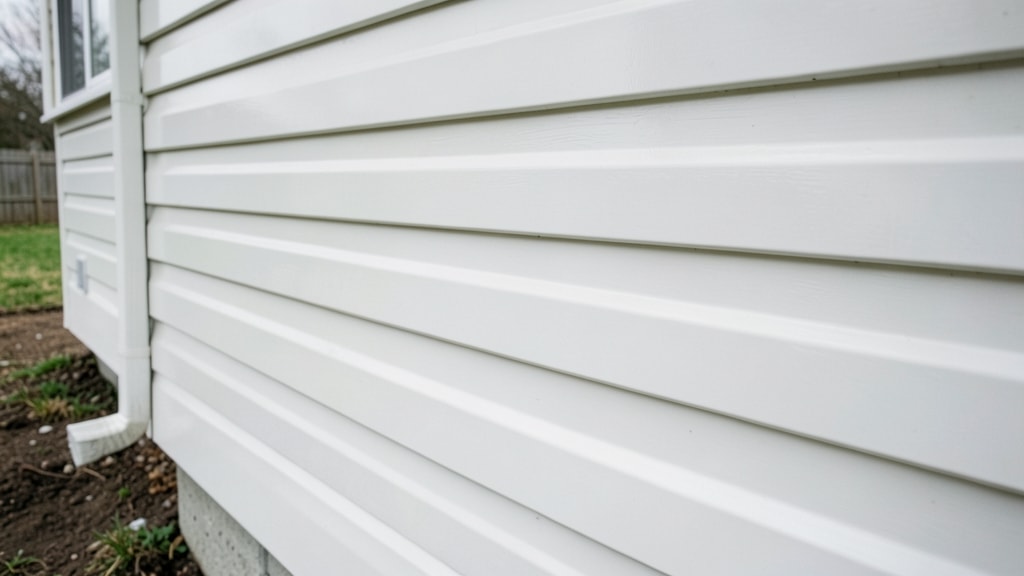
A thorough pressure wash restores your home’s curb appeal, but without protection, surfaces quickly fall victim to Florida’s relentless sun, humidity, and pollen. Protective coatings lock in that clean, extending the life of siding, decks, and driveways while cutting maintenance costs long-term.
How Pressure Washing Preps Surfaces for Coatings
Pressure washing removes dirt, mildew, and chalking that prevent sealers or coatings from adhering properly. A clean substrate ensures the protective layer bonds uniformly, not just in patches.
For wood decks in Valrico or Riverview, we often use a soft wash to avoid damaging fibers before applying a preservative. Concrete driveways in Bloomingdale need a deeper clean to open pores for sealer penetration.
Types of Protective Coatings and Where They Excel
Acrylic sealers are breathable and UV-resistant, ideal for stucco or painted surfaces common in Seffner homes. They resist yellowing and are easy to reapply every 2-3 years.
Penetrating silicone sealers soak into concrete and brick, repelling water and salts that cause spalling. Perfect for driveways and walkways exposed to Palm River-Clair Mel’s frequent rain.
Elastomeric coatings stretch and flex, bridging hairline cracks in older concrete or block foundations. They’re a smart upgrade after pressure washing aging surfaces.
| Coating Type | Best For | Lifespan | Key Benefit |
|---|---|---|---|
| Acrylic Sealer | Painted surfaces, stucco, wood | 2-4 years | UV resistance, non-yellowing |
| Silicone Penetrating Sealer | Concrete, brick, pavers | 5-7 years | Water repellency, salt resistance |
| Elastomeric Coating | Concrete, block, masonry | 7-10 years | Flexibility, crack bridging |
| Wood Preservative | Decks, fences, cedar siding | 3-5 years | Mildew resistance, color retention |
Florida’s Climate: Why Coatings Are Non-Negotiable
Brandon’s high humidity and frequent rain create a breeding ground for mold, algae, and moss. Without a protective barrier, these organisms recolonize surfaces within weeks of a wash.
UV exposure is intense year-round. Unprotected paint, stain, or concrete oxidizes faster, leading to fading and brittle surfaces. A quality coating acts like sunscreen for your home.
Skipping a coating after pressure washing in Florida often means re-cleaning the same stains and growth within months. The upfront cost of sealing is far lower than repeated washing.
When to Apply Coatings After Pressure Washing
Surfaces must be completely dry—usually 24-48 hours post-wash—before applying any sealer or coating. Trapped moisture leads to peeling or bubbling.
For wood decks and fences, wait 48-72 hours in humid seasons. Concrete typically dries faster, but we always test moisture levels with a simple plastic sheet test.
Early spring or late fall offers the best conditions in the Brandon area: moderate temps and lower humidity ensure proper curing.
Coatings for Different Surfaces Around Your Home
Driveways and sidewalks benefit from a high-gloss or satin silicone sealer that enhances color and repels oil stains. Ideal for homes in Riverview with heavy vehicle traffic.
Wood decks and fences need a semi-transparent or solid stain with mildewcides. In Valrico’s shaded lots, algae-resistant formulas prevent green discoloration.
Vinyl siding and gutters stay cleaner longer with a UV-inhibiting acrylic topcoat. This is especially valuable for south-facing walls in Seffner that bake in afternoon sun.
DIY vs. Professional Application: What Brandon Homeowners Should Know
DIY sealers are fine for small projects like a patio table, but inconsistent application on large areas leads to streaks or missed spots. Professionals use airless sprayers for even coverage.
Safety matters: elastomeric coatings and some wood preservatives require proper ventilation and protective gear. Our team handles the prep, application, and cleanup with commercial-grade equipment.
Warranties often hinge on professional application. Many coating manufacturers void coverage if the product isn’t applied by a qualified installer.
If you’re tackling a small DIY project, always test the sealer on an inconspicuous area first. Some surfaces, especially older concrete, may react unexpectedly.
Maintaining Coated Surfaces for Long-Term Protection
Even the best coatings degrade over time. Plan to reapply sealers every 2-5 years, depending on the product and exposure. Driveways in high-traffic areas may need more frequent touch-ups.
Regular cleaning with a soft wash helps remove pollen and dirt before they embed in the coating. Avoid harsh detergents or high PSI, which can strip protective layers prematurely.
Inspect coated surfaces annually for cracks, peeling, or discoloration. Addressing small issues early prevents costly repairs down the line.
Annual Coating Maintenance Checklist
- Inspect all sealed surfaces for wear or damage
- Clean coated areas with a soft wash (no high pressure)
- Reapply sealer to high-wear zones like driveways or deck railings
- Check gutters and downspouts for clogs that can overflow onto sealed walls
How to Choose the Right Protective Coating After Pressure Washing
Selecting the best coating starts with understanding your surface and its biggest threats.
- 1Identify the surface material
Concrete, wood, stucco, and vinyl each require different coatings. For example, wood needs a breathable preservative, while concrete benefits from a penetrating sealer.
- 2Assess the primary exposure
Is the surface battling UV rays, moisture, or foot traffic? South-facing walls in Brandon need UV inhibitors, while driveways need oil and stain resistance.
- 3Consider the desired finish
Choose between clear, tinted, or solid coatings. Clear sealers preserve natural looks, while tinted or solid options offer more UV protection and color uniformity.
- 4Check compatibility with existing treatments
If the surface was previously sealed, ensure the new coating is compatible. Some products don’t adhere well over old acrylic or oil-based sealers.
- 5Calculate coverage and cost factors
Coverage varies by porosity and texture. Rough surfaces like stucco absorb more product. Request a quote to account for surface prep, product type, and labor.
Frequently Asked Questions
How soon after pressure washing can I apply a protective coating?
Most surfaces need 24-48 hours to dry completely, but wood and highly porous materials may require 48-72 hours in Florida’s humidity. Always verify dryness with a moisture test before applying any coating.
Will a protective coating prevent all future mold and mildew growth?
No coating is 100% foolproof, but quality products with mildewcides significantly slow regrowth. Regular cleaning and reapplication every few years maintain the protective barrier, especially in damp areas like Palm River-Clair Mel.
Can I apply a new coating over an old one?
It depends on the existing coating’s condition and type. If the old sealer is peeling or failing, it must be removed first. Some new coatings bond well over old ones, but others require a clean, bare surface. Our team can assess compatibility during your quote.
What’s the difference between a sealer and a coating?
Sealers penetrate the surface to repel water and resist stains, while coatings (like elastomeric or acrylic films) sit on top, providing a protective layer. Sealers are often clear, whereas coatings can add color or texture.
Do protective coatings work on commercial properties in Brandon?
Absolutely. Commercial buildings, parking lots, and storefronts benefit greatly from protective coatings. They reduce maintenance costs, enhance appearance, and extend the life of surfaces exposed to heavy use and pollution.
How do I know if my home needs a coating after pressure washing?
If surfaces like driveways, decks, or siding show signs of fading, cracking, or rapid re-soiling after cleaning, a protective coating will help. Homes in high-exposure areas (e.g., near pools or unshaded lots) especially benefit from the added defense.